Singapore is a beautiful country known for its tropical climate, where it is hot and rains all year long. Unfortunately, this makes it an ideal place for upper respiratory infections to occur frequently and affect many people. Although colds and the flu are more common illnesses, you must watch out for other respiratory infections, particularly sinus problems.
Sinus problems can be quite incapacitating and lead to very serious conditions, such as obstructive sleep apnea. Therefore, it is advised to visit an Otolaryngology clinic so your local ENT doctor can evaluate your overall health. Let’s educate on these diseases and treatments.
Sinusitis

Anatomically speaking, we humans have air-filled cavities called sinuses located within our skull, such as behind our forehead, cheeks, nose, and between the eyes. Sinuses provide many functions, such as producing mucus to dampen the air we breathe, allows free airflow, and helps us regulate the timbre of our voice. Additionally, their hollowness provides a lightweight quality to our facial bones.
Sinuses drain mucus into our nasal cavity through small channels that connect to it. However, respiratory infections, such as viral ailments (flu), common colds, and allergies can obstruct these passages and build up mucus. Bacteria can multiply in the mucus and produce swelling. This can cause localized infections in these cavities called sinusitis.
Epidemiology
Statistics show that 90% of Singaporean adults have suffered from a sinus problem at least once in their life. Sinus conditions are more persistent in Singapore due to their tropical climate.
Causes
As previously mentioned, respiratory infections, such as the flu, are the main cause of sinus problems, but other health conditions can increase the likelihood of developing it, like a weakened immune system, chronic allergies, smoking, and frequent contact with toxic fumes.
Symptoms
Acute sinusitis causes headaches, yellow nasal discharge, bad breath, nasal obstruction, fever, and general discomfort. Nonetheless, if not treated properly, it can lead to persistent symptoms and chronic conditions. Scientists have discovered that sinus problems are linked to a common sleeping disorder called sleep apnea.
Sinusitis Treatment
Normally, a sinus infection lasts approximately 10 days, but you should seek a sinus specialist if your symptoms get worse, headaches become more intense, or it doesn’t respond to general treatment. First-line medications include simple remedies to relieve symptoms like ibuprofen. nose drops, and a warm pack to reduce facial swelling.
If it doesn’t respond to regular treatment, alternative therapy includes antibiotics to treat secondary infections, nasal touching to allow nasal discharge and reduce congestion, and finally, nasal sprays to reduce swelling.
Sinusitis and its Link to Sleep Apnea
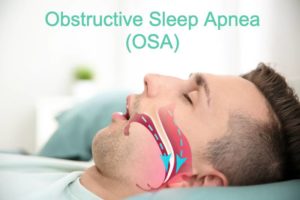
Obstructive sleep apnea (OSA) is a disorder that occurs when we are sleeping, where it is difficult to breathe and causes prolonged pauses in our breathing. The pauses can last from seconds to minutes and happen more than 30 times in 1 hour. This reduces the passage of oxygen to our brain at night and leads to severe health hazards.
In Singapore, OSA is highly prevalent and a recent study has revealed that approximately 1 in 3 adults suffer from it. It normally affects more men and women and it can lead to other medical conditions, like hypertension, sudden death, obesity, stroke, heart failure, and type 2 diabetes.
However, how does can sinus problems induce sleep apnea? A study has shown that 15% of people with chronic sinus problems also suffer from obstructive sleep apnea. Although scientists are not able to define its exact mechanism, it is believed that blocked sinuses cause changes in how air flows through our nose and airways.
Both chronic sinus infections and allergies increase swelling of our upper airways and reduce airflow so we resort to breathing with our mouth open. Normally, our body is adapted to sleep through our nose when we are sleeping. However, since we have nasal congestion, we are unable to do that.
Therefore, we open our mouth to breathe, but it causes our tongue to be free. When our tongue is free, it falls backs and blocks our airway, causing difficulty in our breathing. This causes fatigue, a change in sleep patterns, unrefreshed sleep, and many other symptoms. Thus, it might be necessary to treat chronic sinus problems appropriate to avoid sleep apnea in susceptible patients.
OSA’s Symptoms
Sleep apnea can cause the following symptoms: frequent waking up at night, tiredness during the day, drowsiness, general discomfort, and snoring. Over time, it can lead to sore throat, morning headaches, poor memory, and difficulty concentrating. If you suffering from it, seek professional help from a sleep apnoea clinic since it is associated with cardiovascular diseases, like arrhythmias, stroke, and sudden death.
OSA Treatment
Sleep apnea can be treated with three main elements: lifestyle changes, use of airway devices, and surgical intervention as the final measure if previous treatments fail. Lifestyle modifications include incorporating regular physical activity, having a balanced and nutritious diet, and eliminating harmful habits, like smoking and drinking alcohol. Additionally, your ENT doctor can provide tongue exercises to strengthen your facial muscles and reduce airway blockage.
Nasal positive airway pressure devices (CPAP) are also highly used because they do not require surgical intervention and are highly efficient. These are masks that produce pressure air that reopens your airways and avoid their blockage.
If these fail, you must seek help from your ENT surgeon to assess if surgery is necessary to permanently open your airways or make bone modification tom improve airflow. Additionally, your surgeon can evaluate if a sinus problem is the true cause of your sleep apnea. He or she provides insight into whether a sinus surgery will reduce or treat your sleep apnea symptoms.
Frequently Asked Questions (FAQs)
What are some causes of chronic sinus problems?
Upper respiratory infections and allergies cause both acute and chronic sinusitis. However, if you suffer from frequent episodes, this can lead to persistent swelling of your airways and lead to chronic conditions.
Are there any exams available to diagnose sinusitis?
There are many exams that your ENT doctor can prescribe to diagnose sinusitis, like x-rays, CT scans, mucus culture, and an endoscopy.
Does CPAP treatment cure sleep apnea?
No, it only works on reducing symptoms, If you stop using CPAP, your symptoms will come back.
Are multiple surgeries necessary to treat sinus and sleep apnea?
No, a single surgical intervention can provide overall treatment for your sinus problems and sleep apnea.
Conclusion
Sinus and sleep apnea disorders are respiratory afflictions that can seriously deteriorate your overall health if not treated appropriately. Its symptoms are varied and must be assessed by an ENT doctor to treat efficiently. Nowadays, surgical interventional offers an alternative approach to treat chronic or hard-to-control spectrums. Therefore, do not let your illnesses control you and recover your life once again.


